Why Do My Wrinkles Seem to Be Getting Worse Faster Than They Used To?

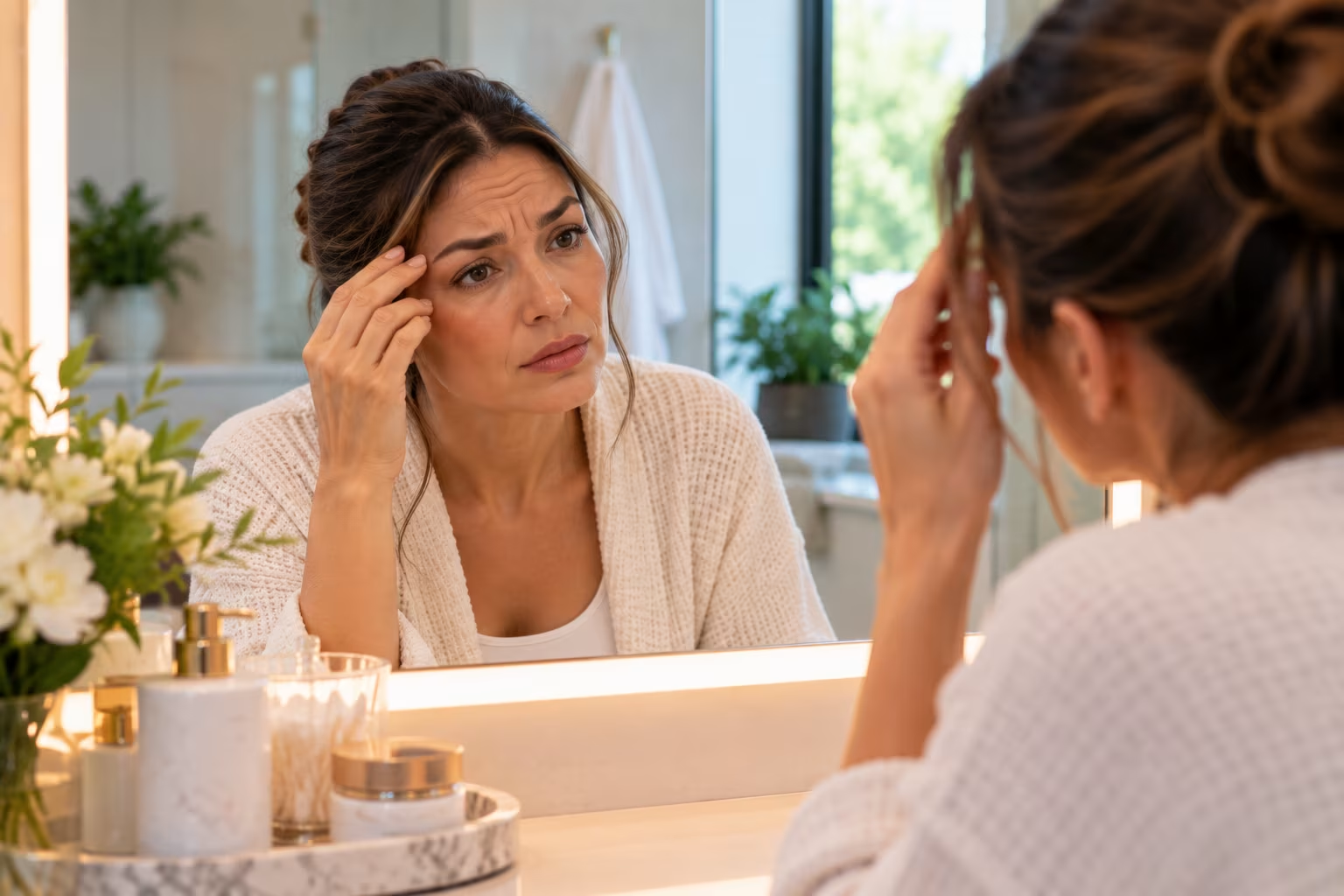
If you have noticed that your skin seems to be changing more quickly in your forties or fifties than it did even five years earlier, you are not imagining it. Many women describe a period where lines that used to soften overnight now seem to stay, or where skin that once bounced back after a poor night's sleep now looks noticeably tired the next morning. This shift is often tied less to age itself and more to what is happening hormonally during perimenopause and beyond.
At Thin Space Wellness in Mount Holly, North Carolina, this is one of the most common conversations we have with women navigating this stage of life. Understanding what is actually happening beneath the surface can make it much easier to choose the right approach, whether that includes Botox, a broader skin and wellness plan, or simply more clarity about what is normal.
What Role Do Hormones Play in Skin Aging?
Estrogen plays a significant role in maintaining collagen production, skin thickness, and hydration. As estrogen levels begin to decline during perimenopause, many women notice a fairly rapid change in skin firmness and elasticity, often more pronounced than the gradual aging that occurred in their thirties.
Why Does Skin Change So Quickly During This Stage of Life?
Collagen loss is not entirely linear. Research has shown that women can lose a significant percentage of their skin's collagen in the years immediately surrounding menopause, which is part of why the change can feel sudden rather than gradual. Combined with reduced oil production and slower cell turnover, this often shows up as increased dryness, more visible fine lines, and a loss of the skin's previous bounce.
Does This Affect Expression Lines Specifically?
Yes. As the skin becomes thinner and less elastic, the same expressions you have made your entire life, like frowning, squinting, or raising your eyebrows, can begin to leave more visible marks than they used to. This is one reason many women in their forties and fifties notice deeper set lines even without any dramatic change in their facial expressions or habits.
How Can Botox Help During This Transition?
Botox does not address hormonal changes directly, but it can help manage one specific piece of the puzzle, the muscle movement that continues to deepen expression lines over time. By softening the intensity of that movement, Botox can help slow the progression of lines that are being made more pronounced by decreasing skin elasticity.
What Areas Tend to Be Most Affected During Perimenopause?
The most common areas clients bring up during this stage include the lines between the eyebrows, horizontal forehead lines, and crow's feet around the eyes. These are all areas where repeated muscle movement combined with thinner, less elastic skin can create a more noticeable change than in previous years.
Is Botox Still Effective on Thinner, More Mature Skin?
Yes. Botox works on the underlying muscle rather than the skin itself, so its effectiveness is not dependent on skin thickness. That said, a personalized treatment plan becomes even more important during this stage, since dosage and placement may need to be adjusted based on how your skin and muscles have changed.
Should Botox Be Part of a Larger Plan During This Life Stage?
For many women, this stage of life prompts a broader look at overall wellness, not just one specific treatment. Since hormonal shifts affect far more than skin appearance, some clients choose to explore additional options such as hormone balancing services or bio-identical hormone replacement therapy alongside their aesthetic goals, depending on their individual health history and priorities.
Can Botox Be Combined With Other Skin Treatments at This Stage?
Many clients pair Botox with treatments that support overall skin quality and volume, such as Sculptra, which helps stimulate collagen production, or dermal fillers to address volume loss that often accompanies this stage of life.
How Long Does Botox Last for Women Going Through This Transition?
Results typically last around three to four months, similar to other age groups, though your provider may recommend adjustments to dosage or frequency as your skin and muscle patterns continue to change during this period.
What Should You Expect From a Consultation at This Stage?
A consultation during perimenopause or menopause should feel different from one earlier in life. It is worth discussing not just what you want to address today, but how your skin has been changing recently, since a plan built around outdated assumptions about your skin will not serve you as well as one built around where you actually are right now.
Frequently Asked Questions
Why does my skin seem to be aging faster now than it did a few years ago? Declining estrogen levels during perimenopause can lead to a noticeable and sometimes rapid loss of collagen and skin elasticity, which is different from the more gradual aging most people experience earlier in life.
Can Botox help with skin that has become thinner or less elastic? Botox targets muscle movement rather than skin thickness, so it remains effective, though your provider may adjust technique and dosage to account for changes in your skin.
How long does Botox last during perimenopause or menopause? Most clients see results lasting three to four months, similar to other stages of life, though this can vary based on individual factors and muscle strength.
Is Botox the only option for hormone-related skin changes? No. Some clients also explore hormone balancing or skin quality treatments alongside Botox as part of a broader plan, depending on their goals and health history.
Aging Is Not the Enemy, but Your Eleven Lines Might Be Overachieving
Your skin is going through a genuine transition, and it deserves a plan that actually accounts for that, not a one-size-fits-all approach based on what worked for you a decade ago. If you have noticed your skin changing and want to talk through your options, the team at Thin Space Wellness in Mount Holly, North Carolina is here to help. Book a consultation or learn more about our Botox treatments.
Updated October 2026.
Related reading: Why Do I Look Tired? Botox in Mount Holly, North Carolina | Is Botox Right for You in Mount Holly, North Carolina?